
☰

Reporting on environment, climate change, politics, human rights and stories from the ground through multimedia journalism, documentary filmmaking and visual storytelling.
I am a multimedia journalist and documentary filmmaker with 4 years of reporting and digital news production experience. A graduate from the Asian College of Journalism, Chennai, I am currently based in Delhi and work with The Wire, one of India’s leading digital news platforms.
At The Wire, I cover environment, climate change, politics, and human rights. My reporting focuses on ground realities, with a strong emphasis on marginalised communities and stories that are often overlooked in mainstream coverage.
I work across formats, including video reports, documentaries, photojournalism, and long-form written stories. My approach combines field reporting with visual storytelling to present complex issues in a clear and accessible way.
As a cinematographer and editor, I have also worked on documentaries such as “Chaityabhumi”, which is streaming on MUBI, and “Gail and Bharat”, which has been screened internationally.

A documentary exploring memory, resistance, Dalit identity and the political-cultural significance of Chaityabhumi.
Watch Documentary
An internationally screened documentary project focused on activism, social movements and public memory.
Watch Documentary
Long-form visual storytelling through field reporting, cinematography and documentary journalism.
Watch Documentary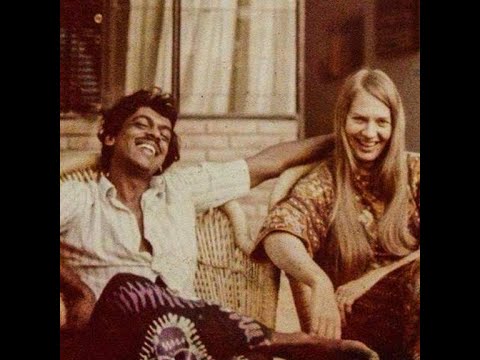
Documentary storytelling focused on social realities, communities and political memory.
Watch Documentary
Feature documentary available on MUBI showcasing Dalit resistance, memory and cultural politics.
Open on MUBI
Ground level reporting focused on politics, communities and public realities.
Watch Report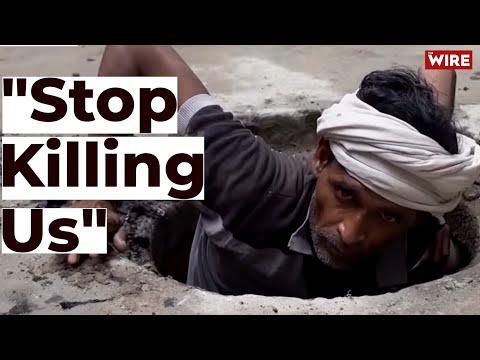
Exploring governance, public systems and political ground realities.
Watch Report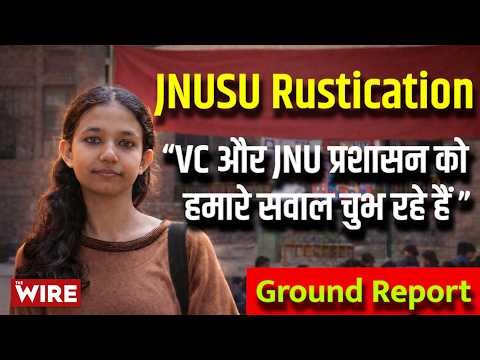
Stories documenting social transformation and life from the ground.
Watch Report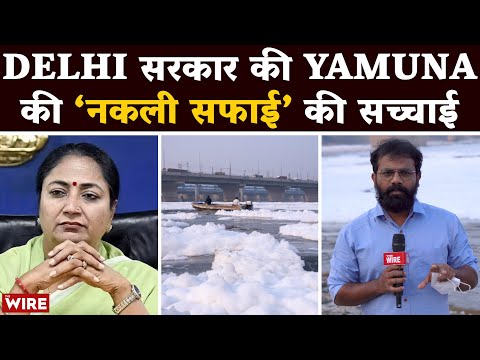
On-ground visual journalism and public interest reporting.
Watch Report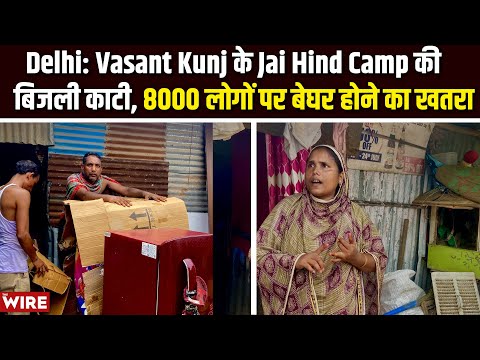
Stories documenting communities, conflicts and social realities.
Watch Report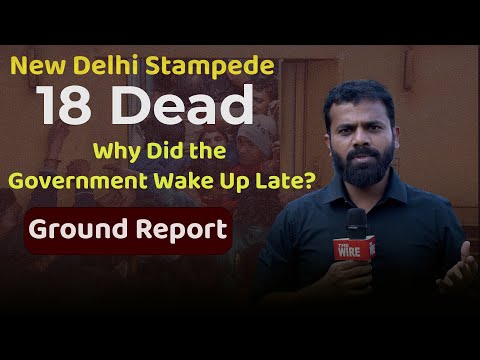
People centric journalism and immersive field storytelling.
Watch Report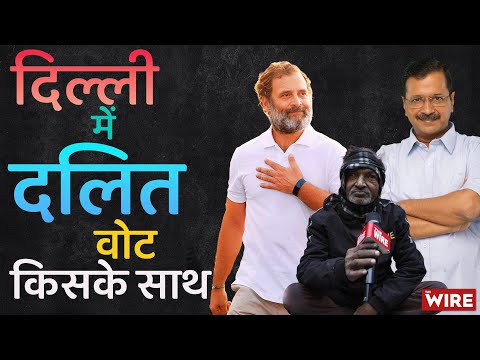
Visual reporting focused on governance, politics and communities.
Watch Report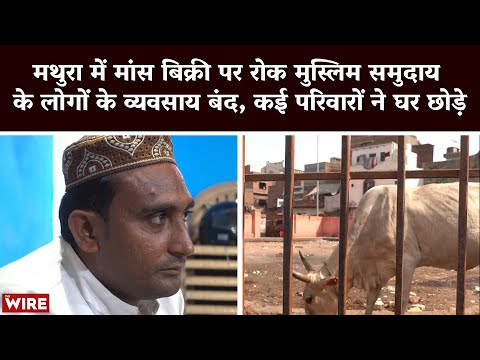
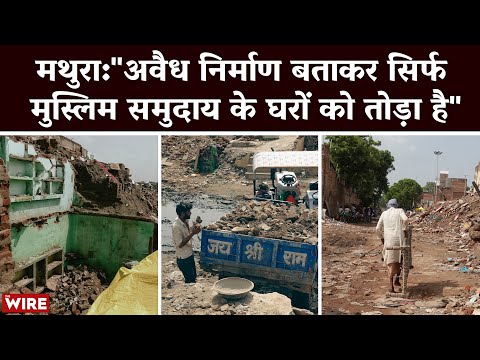
Stories documenting people, politics and changing realities.
Watch ReportA small BTS glimpse from reporting on the condition of the Yamuna at Kalindi Kunj Ghat, Delhi.


The Yamuna in the national capital feels like a dead river these days.
This was my third visit to Kalindi Kunj Ghat in Delhi on May 15 2026, to report on the condition of the Yamuna. The scene this time was completely different from what I witnessed in October 2025, ahead of the Bihar Assembly elections.
Back then, the Delhi government had made major arrangements at the same spot. The ghat looked clean, authorities’ boats were active on the river, and efforts were visibly being made to remove the thick layer of white toxic foam floating on the water.
But now, the picture of the Yamuna has changed again. Garbage is scattered everywhere. Plastic bottles and other waste can be seen floating in the river. The thick white toxic foam is still visible, though its intensity has reduced compared to earlier months.
The boats are now lying shut on the riverbank. Not a single boat is operational anymore. With no major event or political attention around the river, the activity has almost disappeared.
For this report, I got help from my good friend and Ambedkar University student, Ranjeet Prabhu, who worked as a cameraperson during the shoot. His support helped us capture better visuals and strengthen the overall report.


To understand how gig workers survive Delhi's extreme summer, I registered as a delivery partner and spent four days delivering groceries across the city during the peak heatwave.
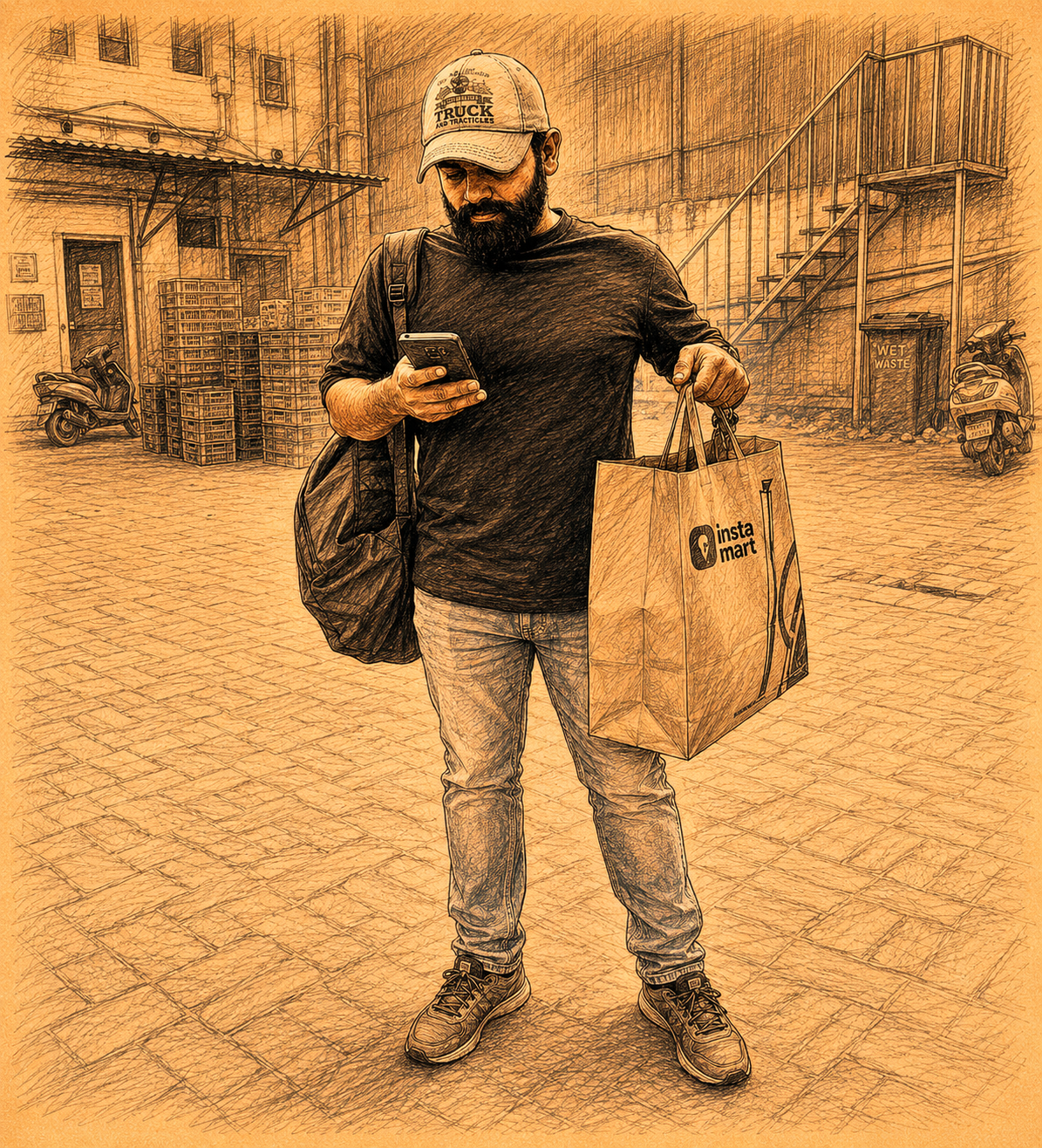
Last month, during the intense heatwave in the national capital, temperatures touched nearly 45 degrees. While most of us preferred to stay indoors and avoid stepping into the scorching heat, one section of society continued running on the streets to deliver our orders, fulfil our everyday needs and earn a living. They are the gig workers of this country.
As a journalist, I have lived in Delhi for almost four and a half years, and I know how difficult the summer can be. Whether you are working in the afternoon or at night, the intensity of the heat remains almost the same.
While working on this story, I started talking to delivery partners whenever I ordered something. I would always ask them about their earnings, their work and how they managed to travel across the city in such extreme heat.
It all started with conversations outside different delivery outlets and with delivery partners from different companies.
One rider in Jasola, Delhi, told me, "You can do any job, but don't do this job in Delhi."
Those words stayed with me. I couldn't stop thinking about what he had said. That's when I decided that, for this story, I would become a delivery partner myself and experience the job during the heatwave.
For this investigation, I went from being Journalist Atul to Delivery Partner Atul.
I registered as a delivery partner on Zepto, Blinkit and Swiggy Instamart. Within a few hours, my registration was approved, and I was out on Delhi's streets delivering orders in the middle of the heatwave.
Over the next four days, I delivered groceries across different parts of the city at different times of the day, from morning until midnight. I spent time at outlets in Kalkaji, Jasola, Karol Bagh and other locations. I spoke to riders, waited with them for orders and experienced a small part of what their daily lives look like.
Many gig workers are facing serious challenges during the heatwave.
Some told me they don't even have access to cold drinking water. They can buy a bottle of water, but when every rupee matters, even spending ₹20 becomes difficult. It wasn't just about water. Many riders also spoke about the lack of basic facilities such as clean washrooms, proper rest areas and cooling arrangements. During my reporting and investigation, I also experienced the same.
The reporting revealed stories of long working hours, shrinking earnings, rising fuel costs, students working to pay their college fees, workers supporting their families and the physical toll of working in extreme heat.
This story reminded me that journalism is at its best when it goes beyond interviews and spends time where people live and work.
A big thank you to my friend Ranjeet, whose support throughout this reporting made this investigation possible.
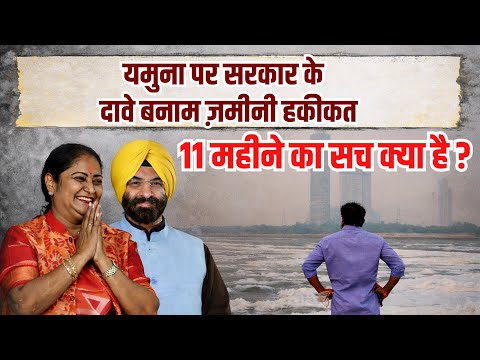
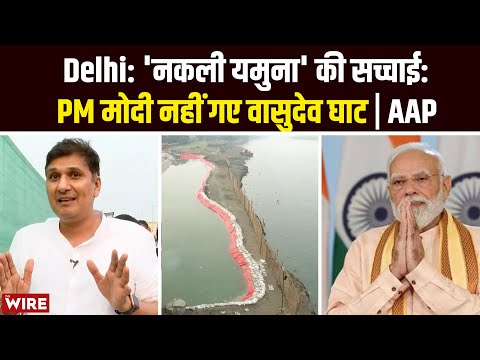
Ground investigation into Delhi government’s Yamuna cleanup claims.
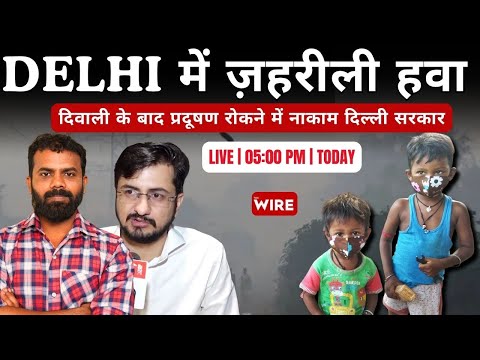
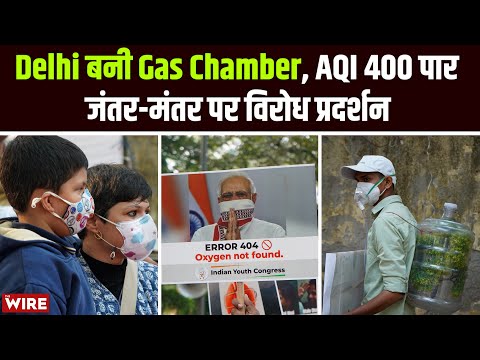
Read StoryVisual reporting on air pollution and Delhi’s environmental crisis.
Read StoryPhoto documentation of extreme heat and daily life in Delhi.
View Story
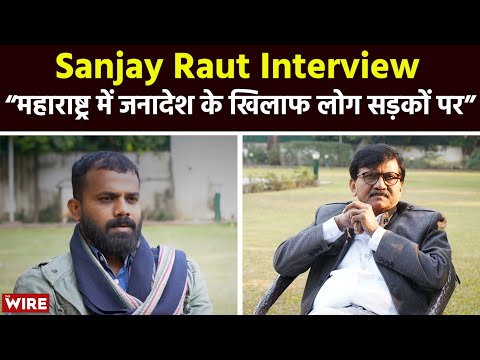
In-depth discussion and interview coverage focused on politics and public realities.
Watch Interview
On-ground conversations and long-form documentary style interviews.
Watch Interview
Ground conversations focused on communities and current affairs.
Watch InterviewField reporting documenting religion, caste and social realities during the Kanwar Yatra.
Read ArticleInvestigation into arrests and alleged visa overstay detentions involving refugees.
Read ArticleReport on alleged illegal detention and torture of a Muslim minor in Gujarat.
Read ArticleGround report documenting violence, harassment and caste-based discrimination.
Read ArticleLocal artisans receive no benefit despite Kolhapuri chappals appearing globally.
Read ArticlePolitical reporting focused on Nagpur, BJP politics and regional power dynamics.
Read ArticlePolitical analysis of Delhi elections and reserved constituencies.
Read ArticlePolitical reporting and analysis focused on BJP governance.
Read ArticleGround report documenting religion, identity and Ambedkarite politics.
Read ArticleLong-form sports journalism examining football culture and public interest in India.
Read ArticleDays after Delhi government’s Chhath focus, toxic foam returns to the Yamuna river.
View StoryLakhs gather at Jaystambh to commemorate the anniversary of the Battle of Bhima Koregaon.
View StoryPhoto documentation of extreme heat and daily life during Delhi’s heatwave.
View StoryHow Delhi’s poor experienced the G20 transformation of the city.
View StoryVisual reporting documenting demolitions, displacement and aftermath.
View StoryFrom vehicles to police stations, Nuh appeared deserted after violence.
View StoryFor collaborations, reporting assignments and documentary projects.